Town Halls: Investing in Civic Infrastructure for the Long-Term

Mar 10, 2026 General

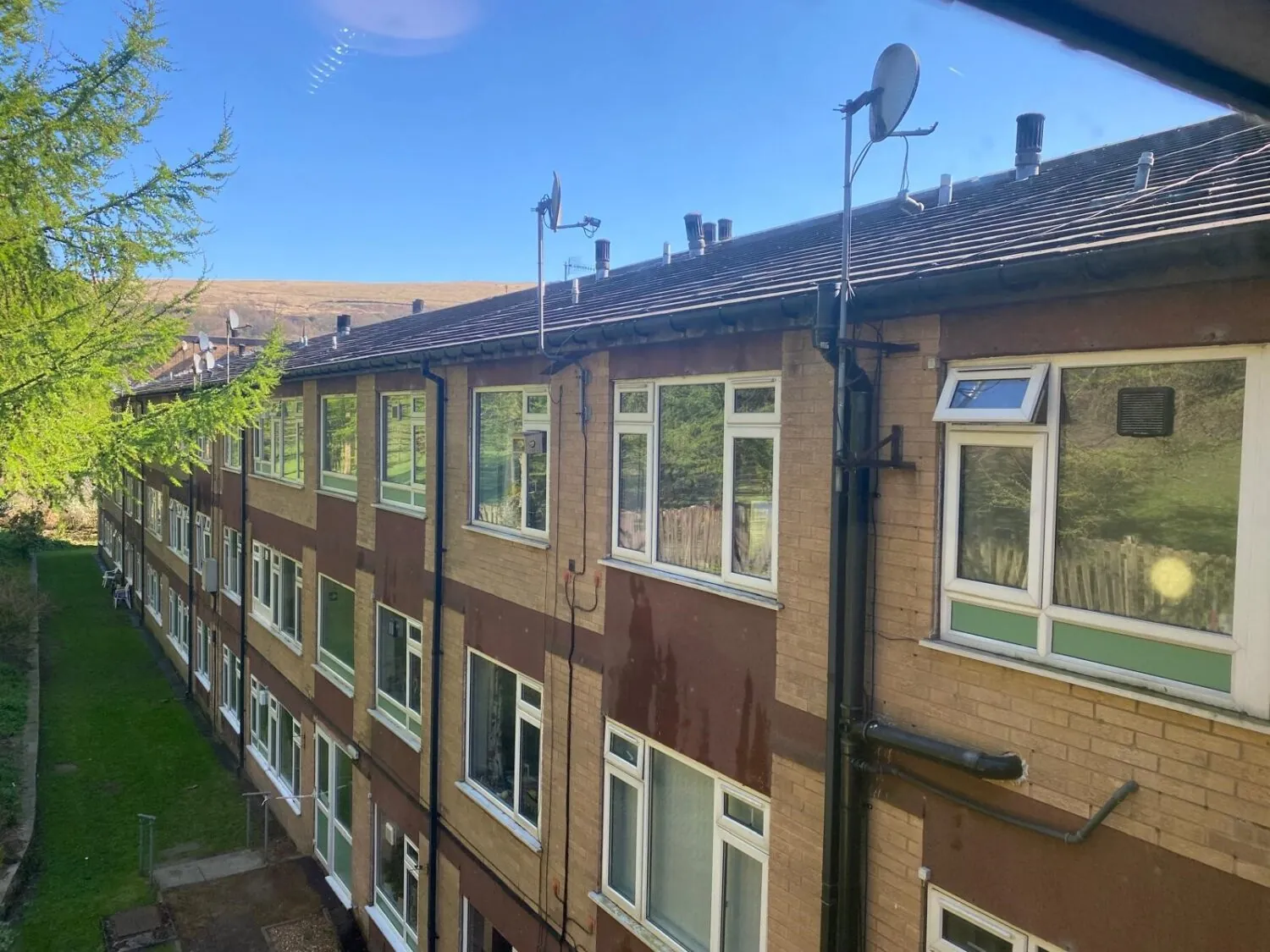
Town halls remain central to local communities, but many are under pressure. Ageing infrastructure, rising maintenance and energy costs, and outdated workspaces make it harder for councils to operate efficiently and limit the wider potential of these civic assets.

When prominent civic buildings fall into disrepair, the impact extends beyond council operations, affecting the public realm, reducing footfall, and diminishing pride in the town centre.

For many councils, ageing town halls are expensive to operate. Inefficient heating, outdated layouts, and poor environmental performance drive high running costs. Refurbishment offers the chance to modernise these buildings, improving energy efficiency, remodelling internal layouts, and reducing ongoing operational and maintenance expenses. Approached on a whole-life basis over 25–30 years, such investment can deliver a more sustainable, fit-for-purpose civic asset.

Councils are increasingly challenged to provide modern, functional workplaces in buildings that were never designed for contemporary service delivery or flexible working. Without investment, these buildings risk slipping into partial use or becoming redundant, with space closed off, rather than brought back into active use.
Funding and the opportunity for regeneration

Town hall projects are civic commitments. To ensure they progress from ambition to delivery, councils need clear business cases, the confidence to make decisions locally, and funding frameworks that recognise the strategic value of civic infrastructure. Without that alignment, schemes can stall despite strong local support.

Town hall investment should not be viewed as an isolated project. When considered through a regeneration lens, it becomes a placemaking intervention – one that shapes how people experience and use the town centre.

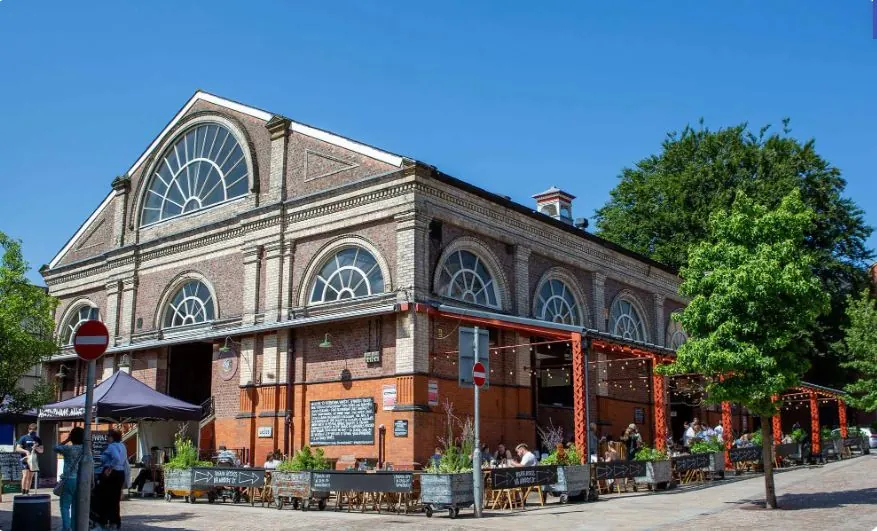
We know regeneration works when decisions are made locally and grounded in a long-term vision. The transformation of places such as Altrincham demonstrates what sustained investment and collaboration can achieve. In this context, town hall regeneration should therefore sit within a broader town centre strategy – less about repairing fabric alone and more about adapting civic space so it remains relevant, accessible, and active.

Aligning with public realm improvements, transport connectivity, and commercial activity, a revitalised town hall can drive wider renewal, supporting economic activity, social interaction, and community life.

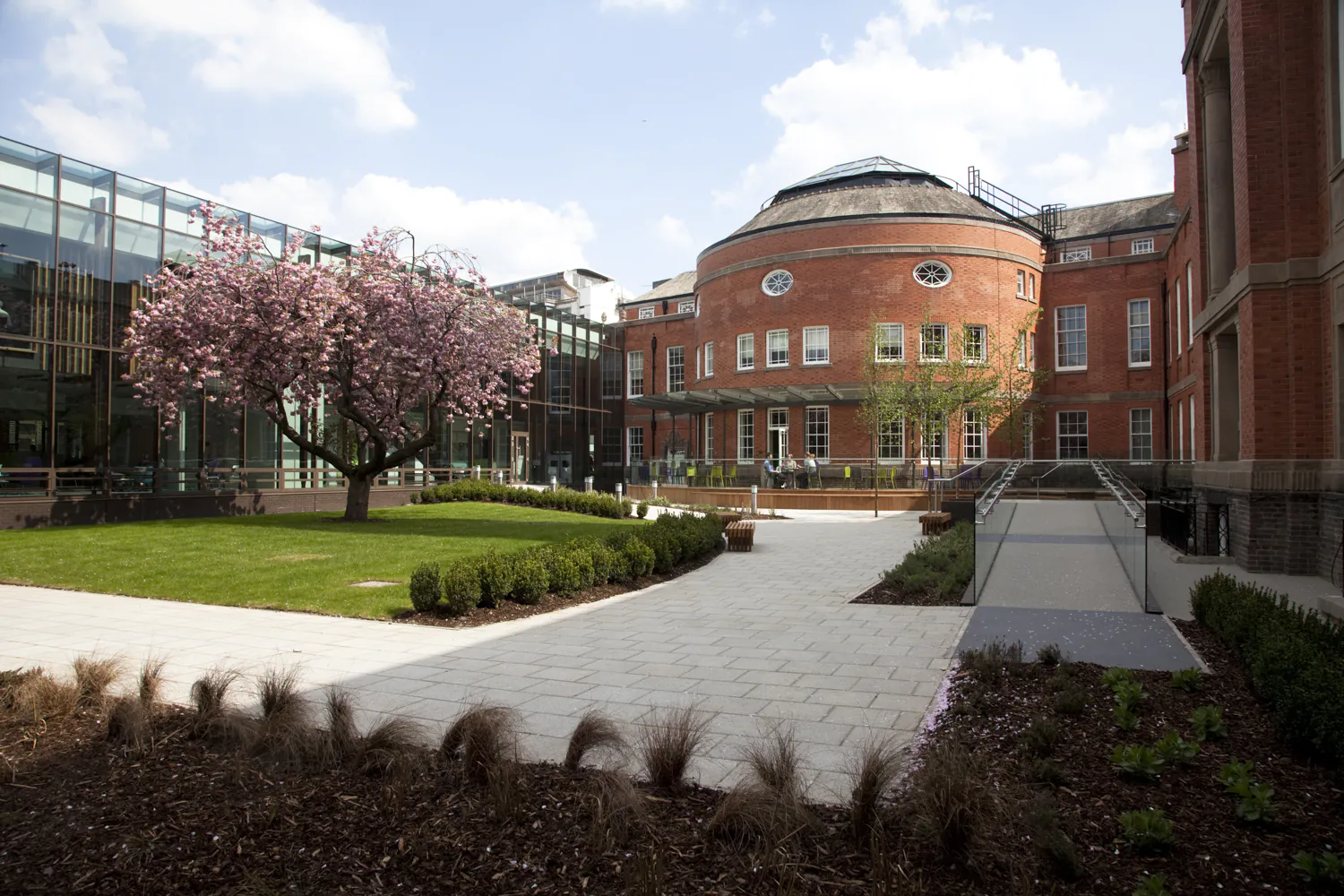
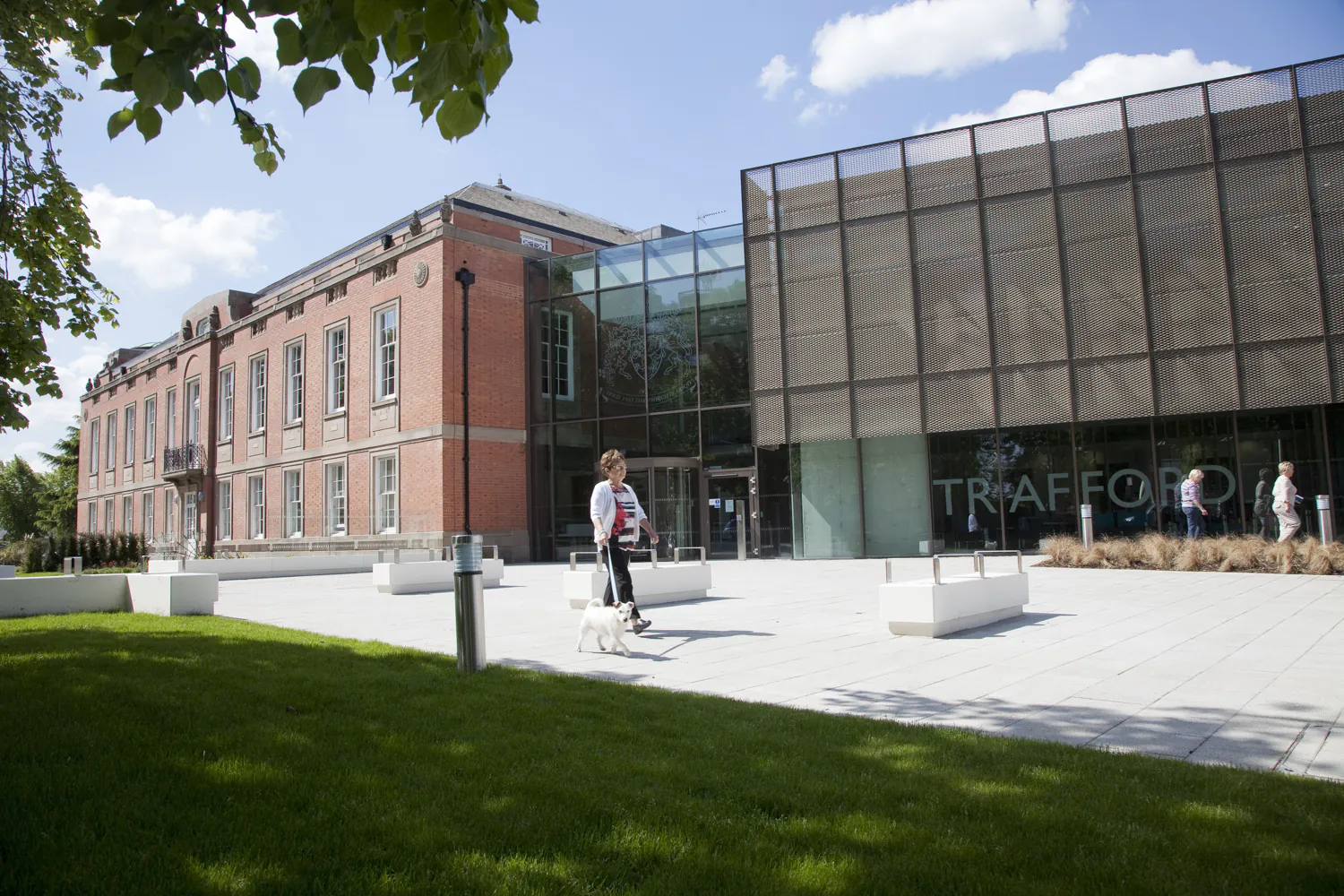
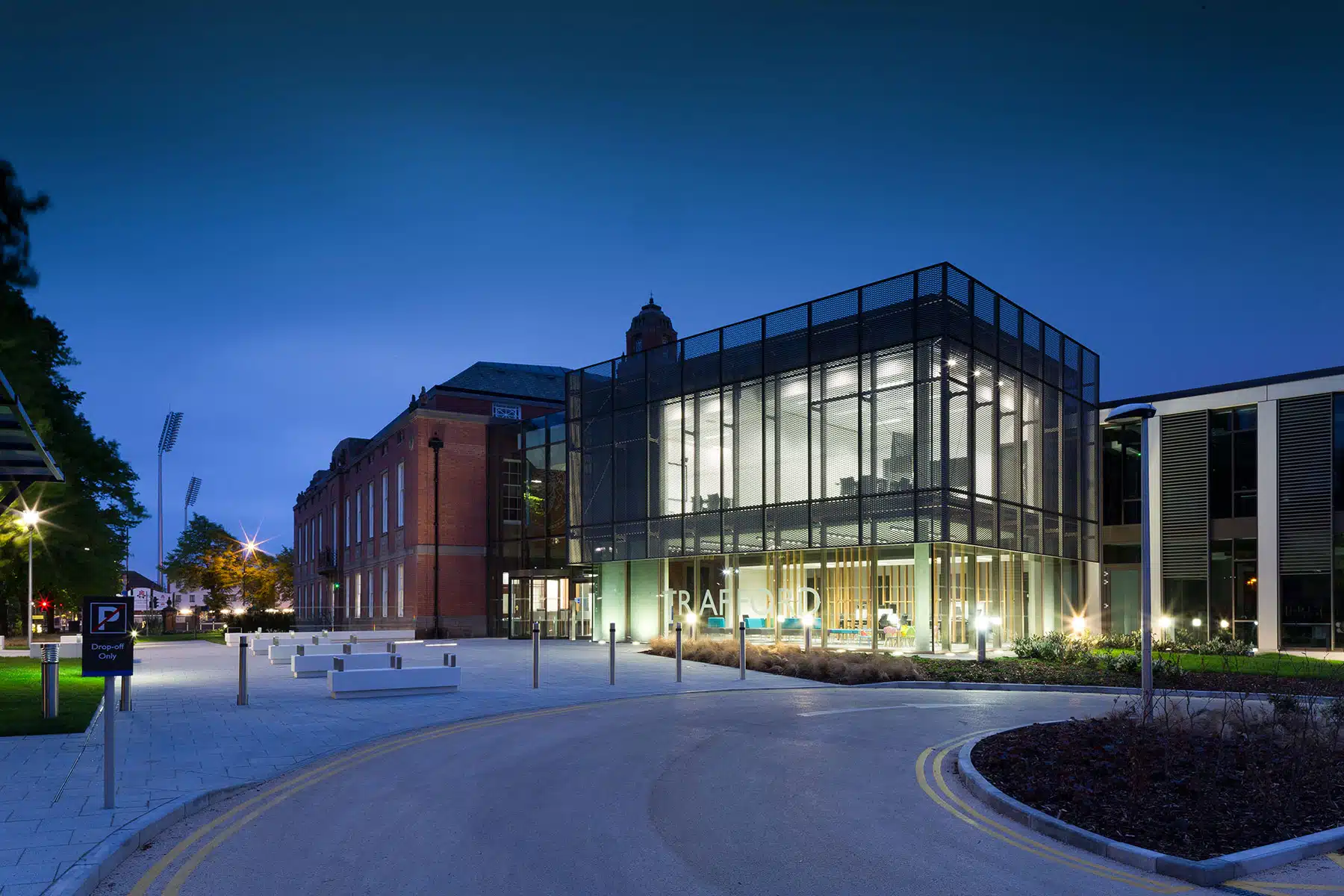
02325-TraffordTownHall-IMAGE-16

How town hall refurbishment drives local regeneration

Investing in town hall restoration is about more than preserving heritage. It is about ensuring these buildings continue to serve the needs of the 21st century, while maintaining their presence at the heart of the community.

Remodelling internal floorplates can dramatically improve efficiency. Refurbishment provides the opportunity to reconfigure space so that more services and staff can operate from a single, well-designed building. This, in turn, enables other expensive, less efficient buildings housing council staff to be repurposed or sold.

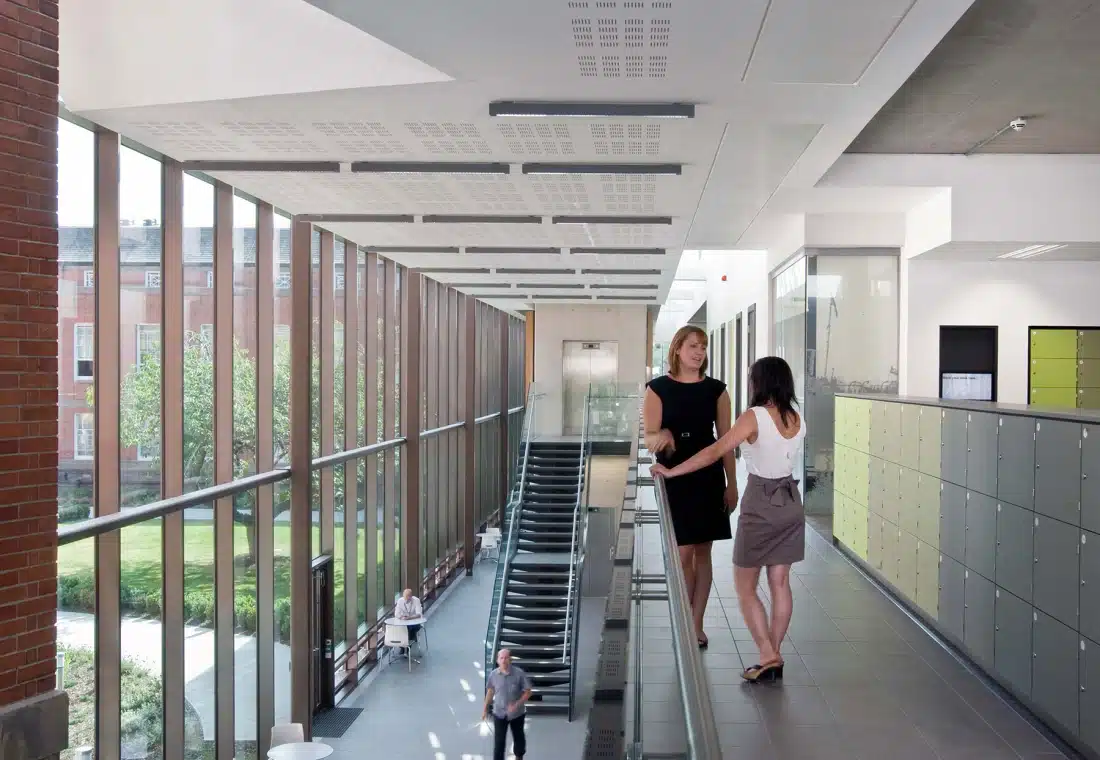
A refurbished civic building can also broaden its public function. Opening up underused areas and integrating complementary uses, such as community services, cultural activities, libraries, exhibition space, or cafés, can transform a town hall from an administrative base into a vibrant civic destination. Improving accessibility and strengthening connections to the surrounding public realm can further enhance footfall and support wider town centre regeneration.

High-quality civic workplaces also play a role in attracting and retaining talent. The competition for skilled professionals is not confined to the private sector; local authorities must compete to recruit and retain planners, finance professionals, digital teams, and senior leaders. A well-designed, characterful, and sustainable workplace helps position the council as an employer of choice.

Town halls are often the most recognisable buildings in a town centre, and their refurbishment sends a clear signal of commitment and confidence. Where projects are well planned, with a design that combines functionality, community use, and heritage value, spaces can be created that serve residents, while supporting the wider economic and social vitality of the areas.

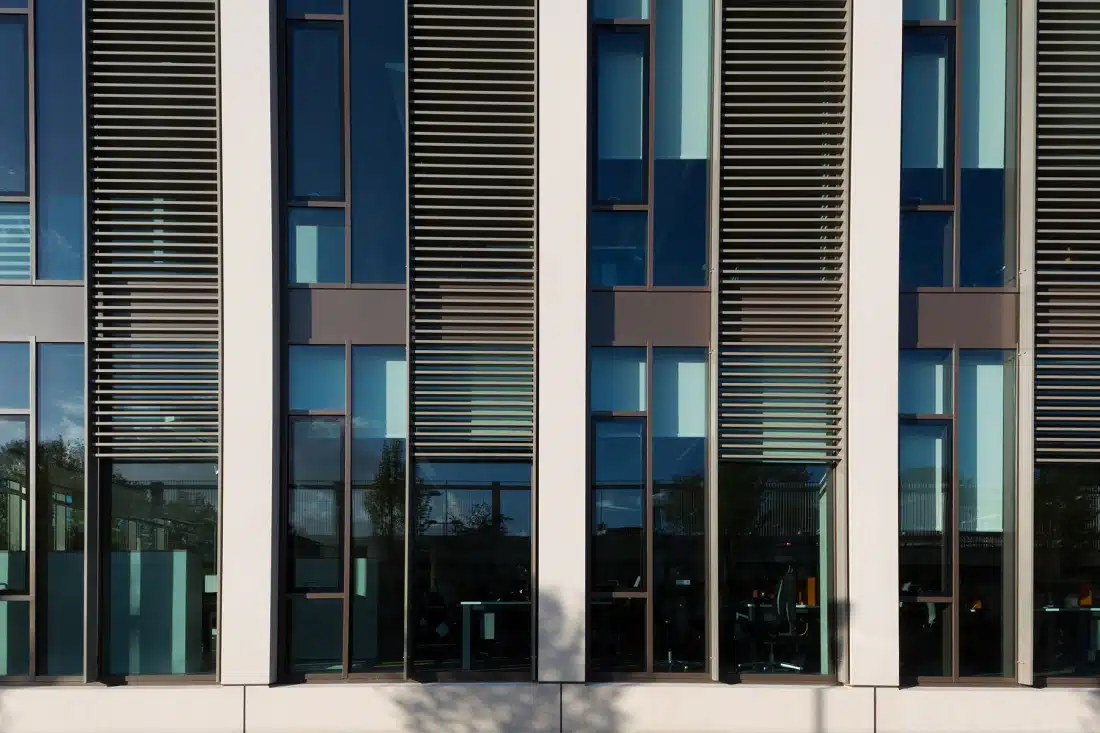
02325-TraffordTownHall-IMAGE-12-1100x760

Balancing heritage and modern needs

A common challenge for councils is reconciling heritage with operational requirements. Historic features such as ornate ceilings, staircases, and façades, need to be preserved, yet modern councils require flexible workspaces, digital infrastructure, energy efficiency, and accessible public areas. Good design allows both objectives to be achieved, highlighting the historic elements while delivering buildings that meet modern expectations.

Rather than being constraints, these historic elements often add interest and character that contemporary office environments struggle to replicate. They create a sense of identity and civic presence, offering a richer experience for staff and visitors than generic, rectangular office space. Thoughtful design allows both objectives to be achieved, celebrating historic features while discreetly integrating modern services and environmental upgrades.

Retaining a heritage building also ensures it continues to tell its story. Architectural details reflect civic roots and local history, while new layouts and uses represent the next chapter in that building’s life. In this way, regeneration becomes an evolution rather than a replacement.

Refurbishment also provides the opportunity to increase public access. Many older town halls have restricted areas and limited interaction points. Thoughtful planning can open up these spaces, ensuring the building functions as a genuine civic asset for the community.

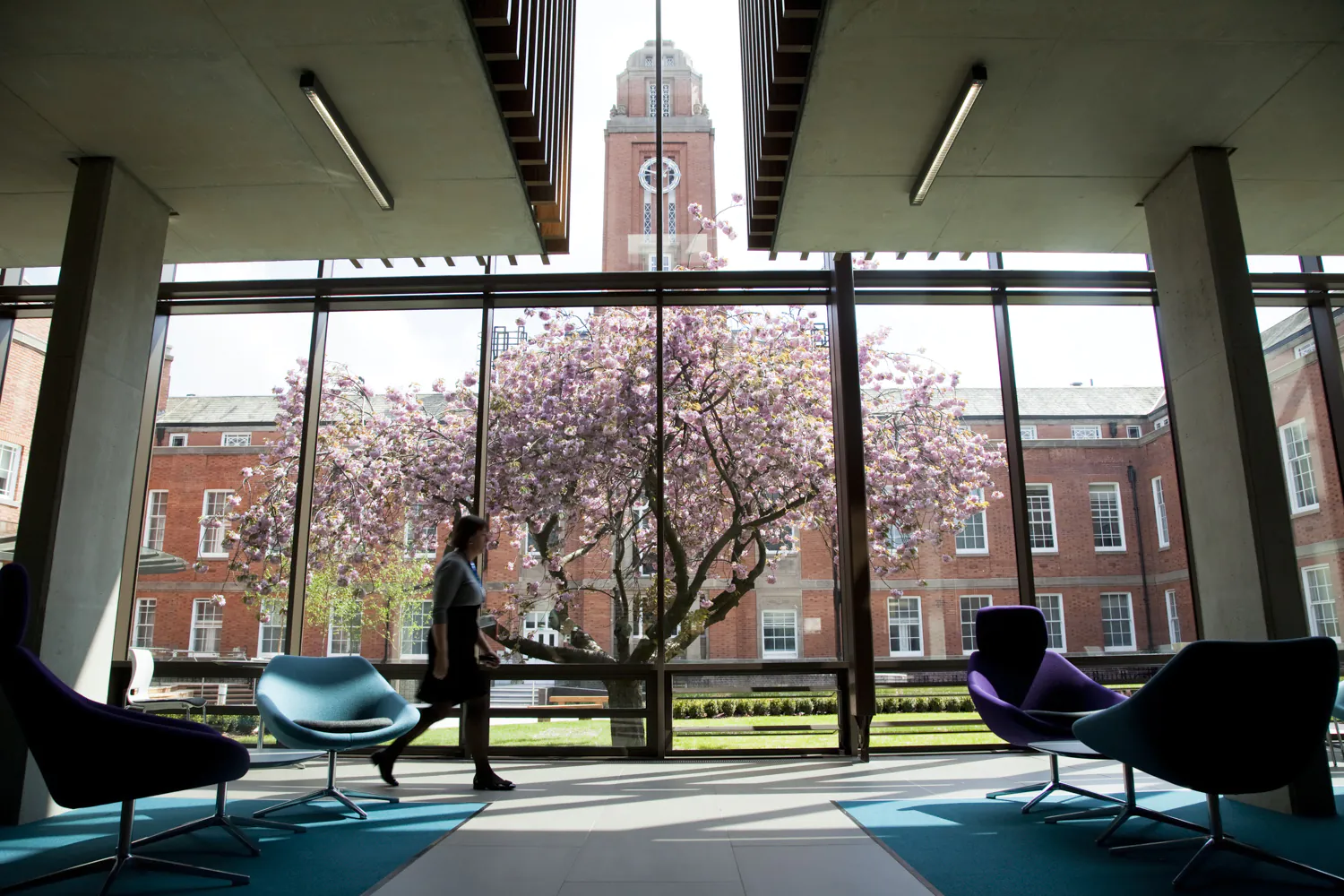
TTH_070513_6

Delivering complex projects

Town hall refurbishment is rarely straightforward. They are often £20 million-plus schemes involving detailed condition surveys, listed-building consents, structural upgrades, and phased construction to allow councils to remain operational throughout.

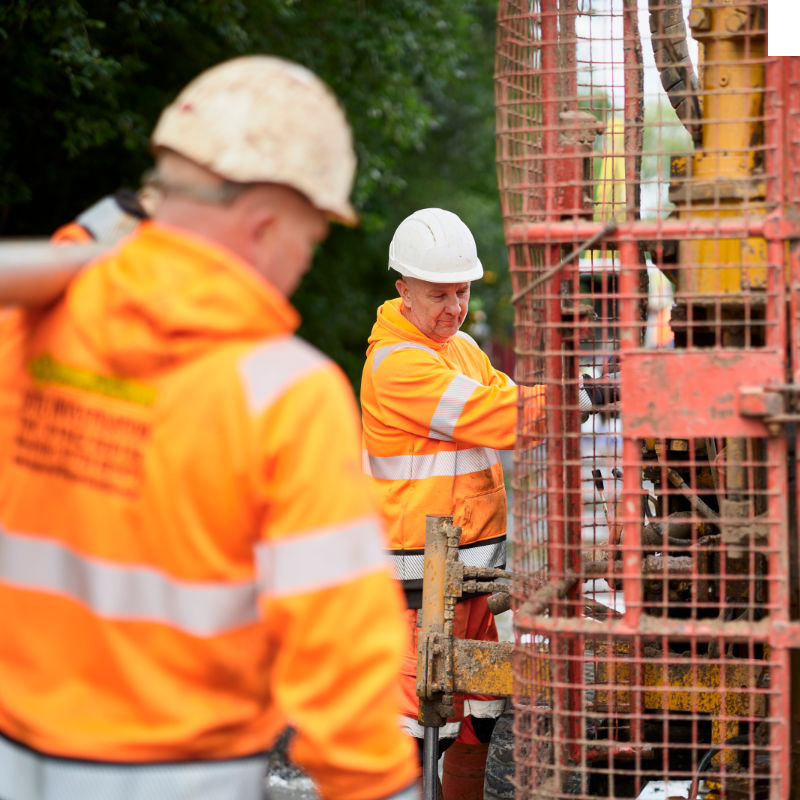
Historic buildings also present hidden challenges. The presence of asbestos, and in some cases anthrax contamination within historic materials, requires specialist investigation and careful management. Early intrusive surveys and thorough due diligence are essential to identifying risks before they affect programme or cost.

Successful delivery requires close collaboration between engineers, conservation specialists, planners, and contractors, balancing practical construction challenges with the need to preserve historic fabric. Early engagement, robust assessment of building condition, and careful sequencing are essential.

Without this level of preparation, projects risk unforeseen costs, construction delays, and even disruption to council services. Where refurbishment is well planned, it results in an operationally efficient, and publicly accessible building that continues to support the council and the wider community for decades.


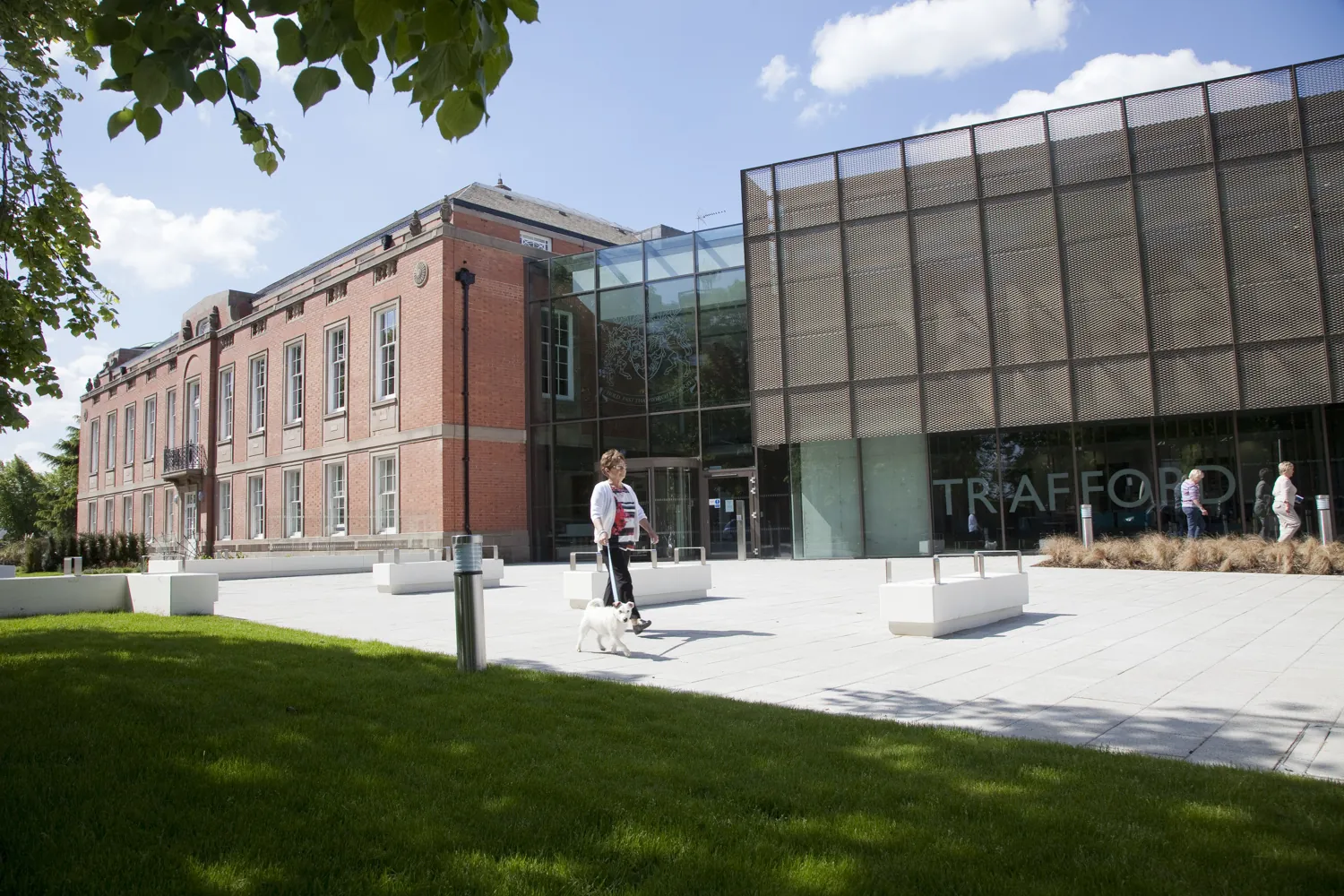
TTH_070513_89