Preston England Temple | Invasive Plants
As part of the development of the Preston England Temple site, invasive plant species were identified that required remediation before construction activities could progress.
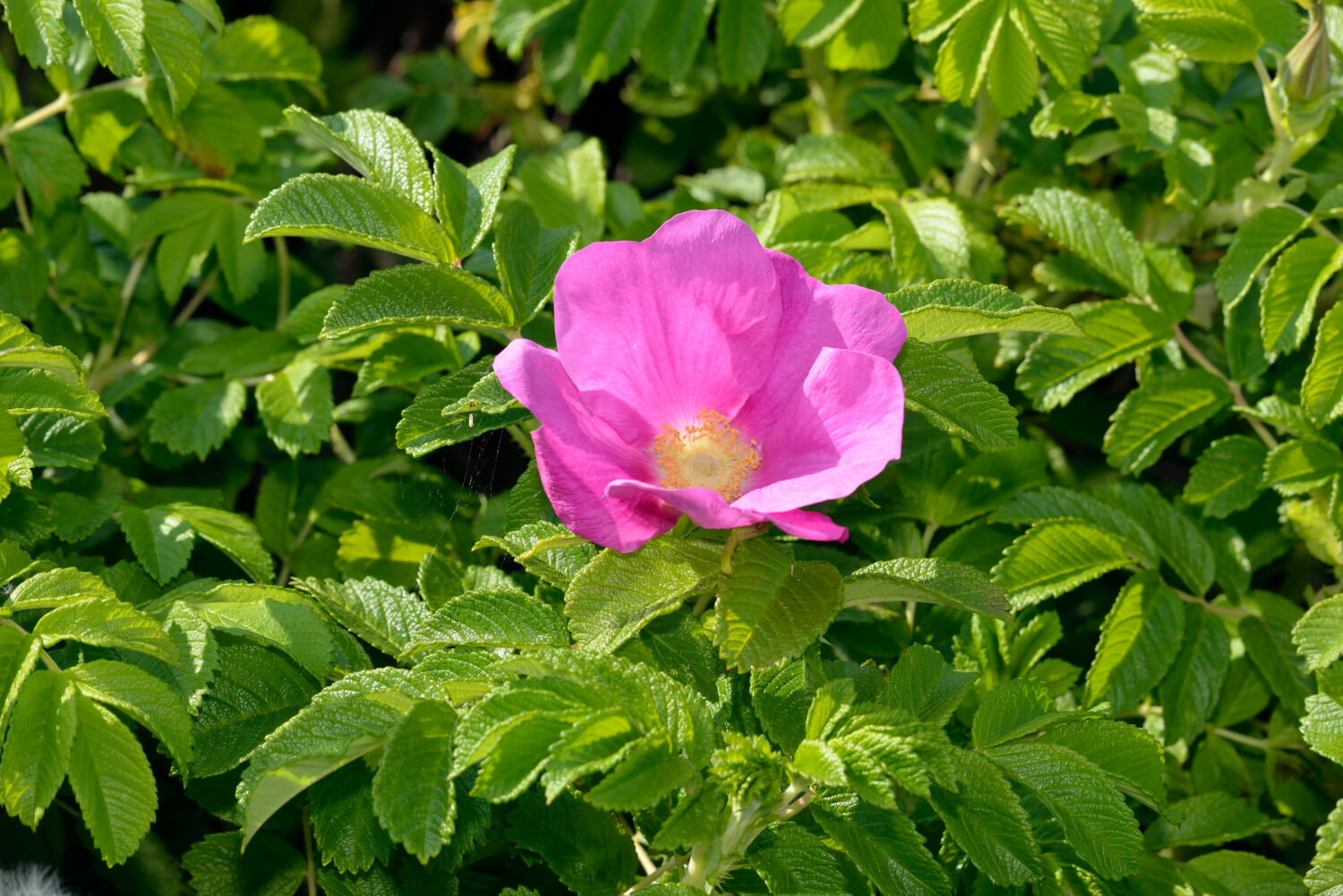
The presence of Japanese Rose and Himalayan Balsam presented environmental and programme risks that needed to be addressed quickly and compliantly to avoid delays to the proposed development.
Our team was appointed to provide an effective remediation solution, enabling the site to move forward safely and in accordance with project requirements.
The Challenge
Surveys identified the presence of:
- Japanese Rose
- Himalayan Balsam (Impatiens glandulifera)
Our Solution
Following site assessment and consultation with the project team, we recommended a Dig and Dump remediation strategy.
This approach involved:
- Delineating the affected areas.
- Excavating Japanese rose-contaminated soils and plant material.
- Removing Himalayan Balsam infestations within the development footprint.
- Transporting all invasive material to appropriately licensed disposal facilities.
- Providing the necessary documentation and waste transfer records to demonstrate compliance.
The dig and dump methodology was selected because it offered the most immediate solution, allowing the affected areas to be cleared and made available for construction without the waiting periods associated with treatment programmes.
Outcome
Through close collaboration with The Church of Jesus Christ of Latter-day Saints and Bowmer + Kirkland, we successfully delivered an invasive plant remediation solution that supported the ongoing development of the Preston England Temple.
The completed works enabled the project team to progress their development plans without disruption, demonstrating the value of early identification and proactive management of invasive plant species on construction sites.
Key Facts
-
Client: Bowmer + Kirkland
-
Service: Invasive Plant Remediation
-
Where: Preston
-
Sector: Commercial
Location
Services Provided
Invasive Plants
Support to identify, manage and treat invasive plant species – reducing legal, environmental, programme and cost risks across development sites.
Read moreOur Projects
Birmingham City Council | Invasive Plants
Manchester City Council | Invasive Plants